Science & evidence
Work at the source, not the surface.
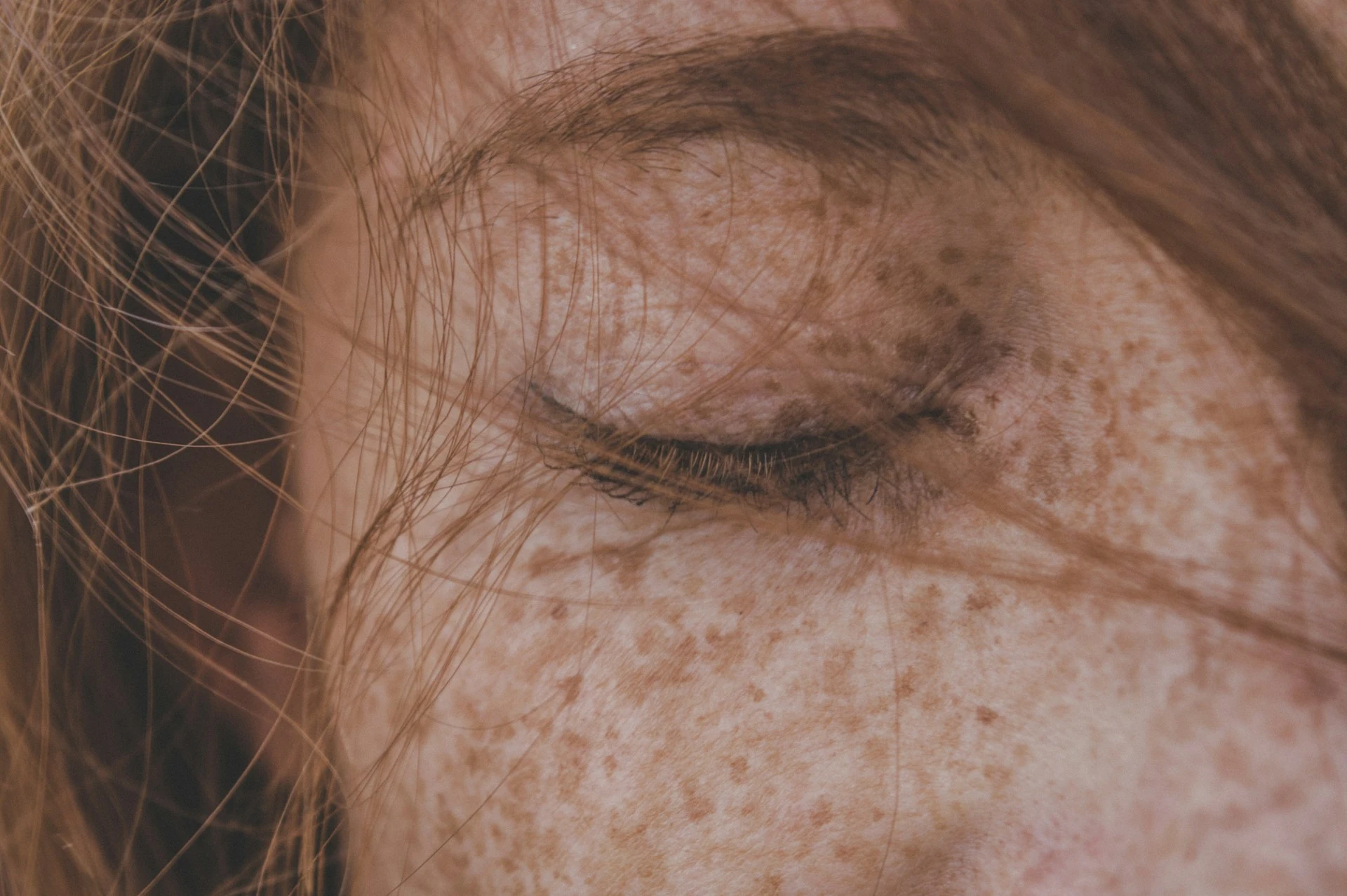
Where pigmentation starts
UV, hormones and inflammation push melanocytes into overproduction. Tyrosinase begins the process. Melanin is passed up to the keratinocytes above, and surfaces as a spot or a patch.
Melasma, hormonal pigmentation, age spots and post-acne marks share that one cause — melanin over-produced and unevenly deposited.
Two points, one step earlier.
Facials, peels and laser act on pigment that has already surfaced. Cleradol works before that.
Phthalide
Less melanin made.
Phthalide inhibits tyrosinase. Less melanin is produced.
Niacinamide
Less pigment passed on.
Niacinamide limits melanin transfer to keratinocytes. Less reaches the surface.
Less made. Less passed on. Less accumulating in the skin.
Phthalide
Tyrosinase inhibition, measured in vitro.
IC₅₀ is the concentration needed to inhibit the enzyme by half. Lower is more potent.
Phthalide reaches half-inhibition at roughly 1/400th the concentration kojic acid requires.
Why potency matters
Why potency keeps a formula gentle.
A weak active has to be loaded in at high concentration to do anything, and concentration is usually where irritation comes from.
Phthalide works at a fraction of that. It’s the reason Cleradol can be water-based, fragrance-free, and used twice daily without a patch-test protocol.
Independently tested.
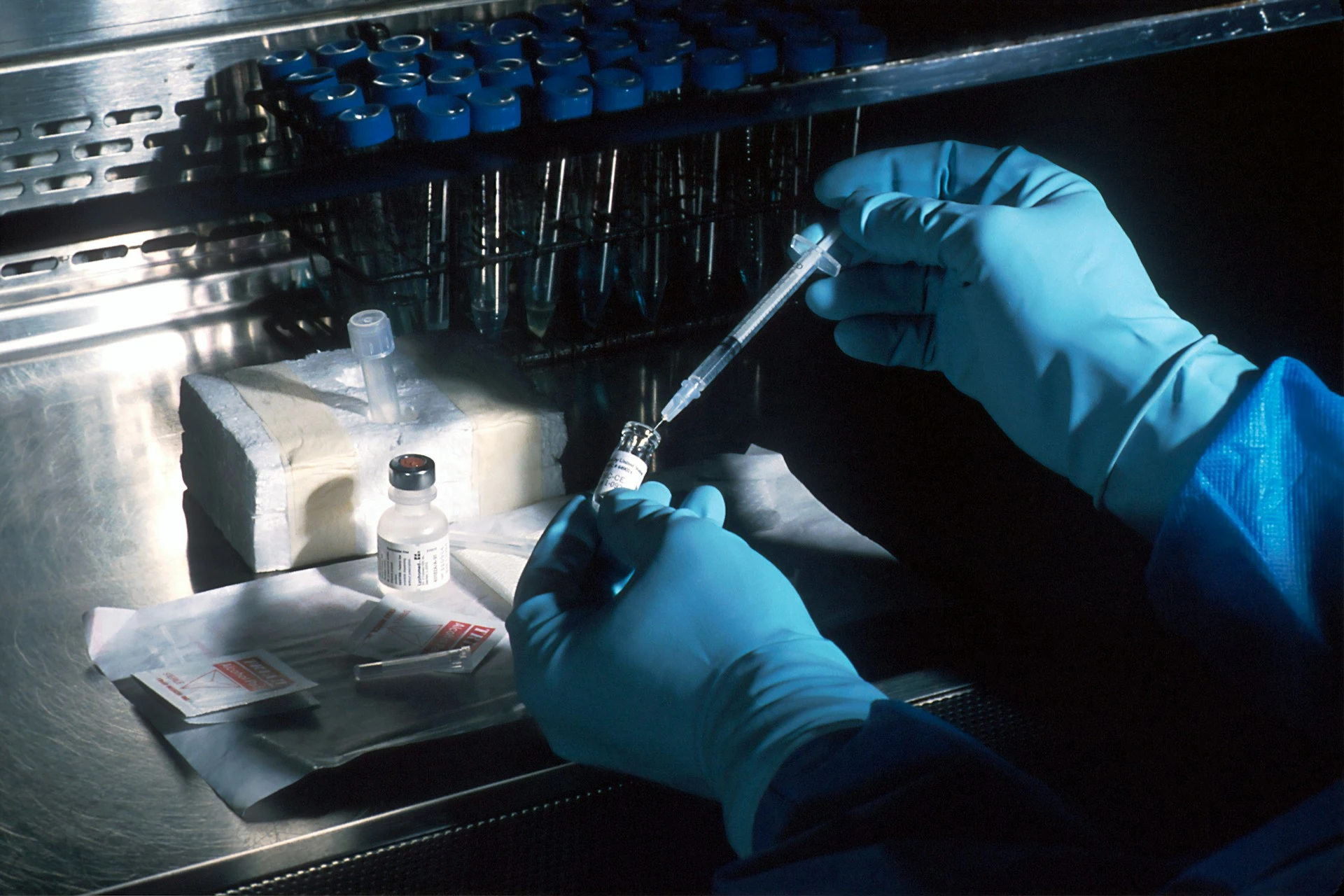
Safety claims are backed by independent laboratory testing rather than inferred from formulation alone.
Certified non-irritant
MTT tissue viability test. Result far above the 50% safety threshold. Classified non-irritant under UN GHS.
SGS · December 2024Full OECD panel passed
No adverse classification on any test.
No heavy metals detected
Lead, cadmium, arsenic and mercury not detected. Microbial counts below 10 CFU/g.
BIO SYNERGY Laboratories · October 2024No restricted actives
No hydroquinone, no retinoids, no corticosteroids.
The full safety panel View all seven tests
| Test | Standard | Result |
|---|---|---|
| Acute oral toxicity | OECD 423 | LD₅₀ > 2000 mg/kg — GHS Category 5 |
| Acute dermal toxicity | OECD 403 | LD₅₀ > 2000 mg/kg — GHS Category 5 |
| Skin irritation / corrosion | OECD 404 | Not classified as an irritant |
| Eye irritation / corrosion | OECD 405 | Not classified as an irritant |
| Skin sensitisation | OECD 406 | Not classified as a sensitiser |
| Phototoxicity | Cosmetic Safety Technical Specification | No phototoxicity observed |
| Photoallergy | Cosmetic Safety Technical Specification | Grade I, weak |
What the testing allows.
Non-irritant classification and a full OECD panel mean Cleradol can be introduced to a customer without a patch-test protocol, and used alongside facials, peels and post-procedure care.
For a clinic, low reaction risk is low complaint risk.
What it does, and what it doesn’t.
Skin analysis distinguishes deep pigmentation from surface pigmentation. In use, deep pigment lightens more readily. Surface pigment accumulated over years is slower, and often responds better with physical treatment alongside.
Cleradol reduces how much melanin the skin produces. It is not a resurfacing product, and it does not clear what is already sitting at the surface overnight.
That’s also why it sits well next to laser and DPL rather than against them.
What’s in, and what’s deliberately out.
Phthalide
Inhibits tyrosinase at low concentration.
Niacinamide
Limits melanin transfer, supports the barrier, refines the look of pores.
Multi-molecular HA
Three weights working together. High molecular weight forms a moisture-retaining film at the surface. Low molecular weight and hydrolysed HA penetrate the stratum corneum for deeper hydration.
Glycerin
Maintains moisture balance.
Hydroquinone · Retinoids · Corticosteroids · Fragrance
For clinics
Reviewing Cleradol for your clinic?
Full test reports and product documentation are available on request.